
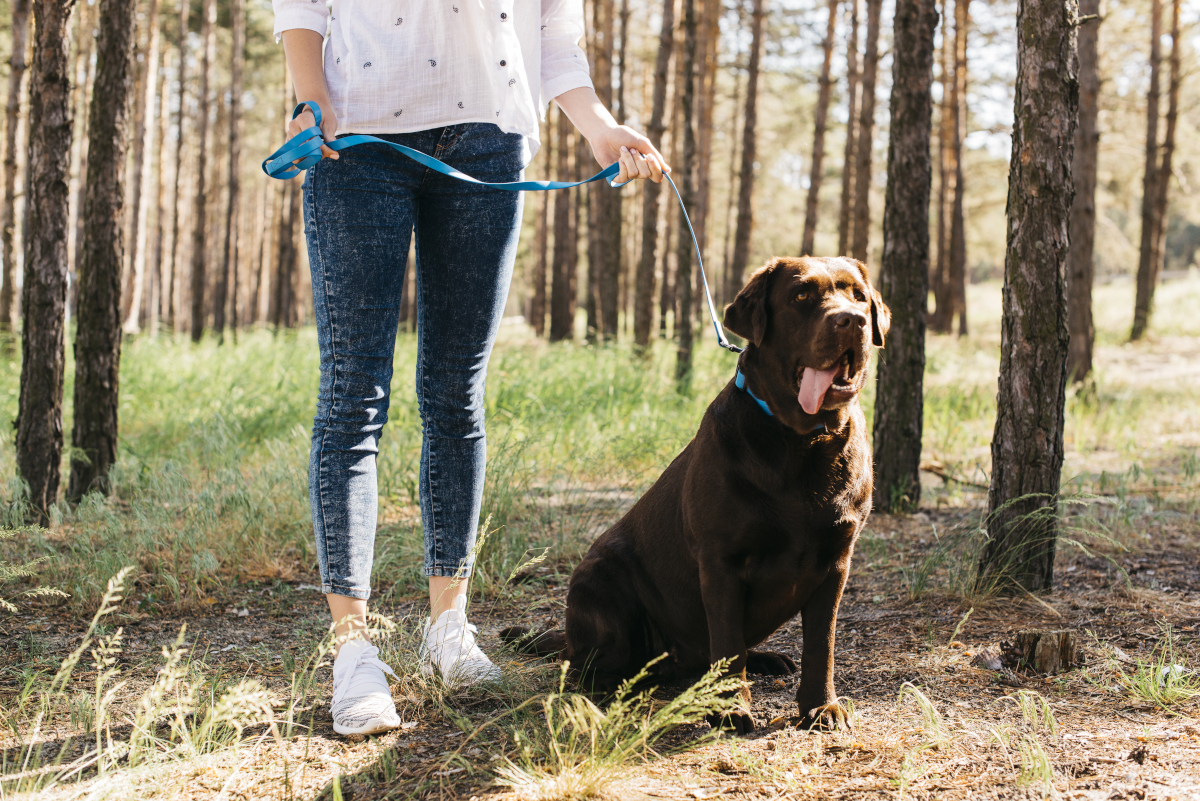
Why Commands Alone Are Not Enough – A New Perspective on Dog Training
Many dog owners turn to dog training when everyday life with their dog becomes stressful. Pulling on the leash, constant barking, restlessness at home, or emotional outbursts are often seen as problems that can be fixed by teaching more commands. While basic cues are useful, they rarely solve deeper behavioral issues on their own.
Modern dog training has evolved far beyond teaching dogs to sit, stay, or lie down. Behavioral problems are usually not caused by a lack of obedience, but by emotional imbalance, stress, confusion, or unmet needs.
Behavioral Issues Are Often Emotional, Not Technical
When a dog ignores commands outside or reacts strongly to stimuli, it is easy to assume the dog is stubborn or poorly trained. In reality, many dogs simply cannot focus because their nervous system is overloaded. Stress blocks learning.
A dog that jumps, barks, or pulls may not need stricter rules—but better emotional regulation. Effective dog training starts with understanding what the dog is experiencing internally, not just what it is doing externally.
Why Traditional Training Sometimes Fails
Traditional approaches often focus on correcting unwanted behavior without addressing the cause. This can lead to temporary improvement but long-term frustration. When dogs are corrected without understanding, they may shut down, become anxious, or develop new problem behaviors.
Successful dog training looks at the dog’s entire lifestyle:
- Is the dog getting enough rest?
- Is mental stimulation balanced with physical activity?
- Are expectations realistic for the dog’s age and temperament?
- Is communication clear and consistent?
Without these foundations, training exercises lose their effectiveness.
Teaching Calmness Is a Skill
One of the most overlooked aspects of dog training is teaching dogs how to relax. Many dogs do not naturally know how to switch off. They move from one stimulation to the next without proper recovery time.
Training calm behaviors—such as settling on a mat, disengaging from triggers, or resting after activity—is essential for emotional balance. These skills directly reduce behavioral problems like hyperactivity, reactivity, and anxiety.
The Role of the Owner in Dog Training
Dog training is never just about the dog. Owners play a crucial role in shaping behavior through routines, reactions, and expectations. Inconsistent rules, unintentional reinforcement, or unclear communication often contribute to ongoing issues.
A good training process helps owners understand how their behavior influences their dog. Small changes in timing, tone, and structure can lead to significant improvements.
Long-Term Results Come From Understanding
Lasting behavioral change does not come from repetition alone. It comes from meeting a dog’s needs in a balanced way. When dogs feel safe, understood, and mentally satisfied, many problem behaviors fade naturally.
Dog training, when done thoughtfully, is not about control—it is about cooperation. It creates a partnership where both dog and owner feel more confident and relaxed in everyday life.